China Best Cylindrical Cell Assembly Machines Supplier?
Choosing the China best Cylindrical Cell Assembly Machines supplier requires more than comparing catalog prices. Battery demand is accelerating. The International Energy Agency reported that global electric car battery demand exceeded 750 GWh in 2023, rising by about 40% from the previous year. BloombergNEF also reported a 20% decline in average lithium-ion battery pack prices during 2024. These figures create pressure for faster, cleaner, and more reliable production lines.
Cylindrical Cell Assembly Machines support critical steps, including electrode winding, tab welding, shell insertion, electrolyte filling, sealing, and inspection. Small errors can cause wrinkles, contamination, or unstable internal resistance. That matters on a factory floor. It matters even more at scale. Elon Musk said during Tesla Battery Day, “The factory is the product.” His statement reflects a practical truth: equipment performance depends on the entire manufacturing system, not one impressive machine.
A credible supplier should demonstrate real factory experience, process validation, and measurable yield results. Buyers should examine cycle time, machine accuracy, automation depth, safety controls, spare-parts support, and integration capability. Factory acceptance testing is essential. So is after-sales response.
The lowest quotation is not always the lowest cost.
This comparison is not perfectly simple. Cell formats, chemistry, output targets, and local compliance requirements change the answer. A supplier with strong engineering support may outperform a cheaper vendor after installation. Still, technical claims require evidence. The following guide evaluates Chinese suppliers through documented capability, customer experience, production consistency, and long-term service reliability.
What Is a Cylindrical Cell Assembly Machine?
A cylindrical cell assembly machine is industrial equipment designed to build rechargeable cells with round metal housings. It coordinates several precise operations. These may include component loading, electrode alignment, tab welding, insulation placement, electrolyte filling, sealing, and electrical inspection. The machine does not create the active materials. It assembles prepared components into a stable cell structure.
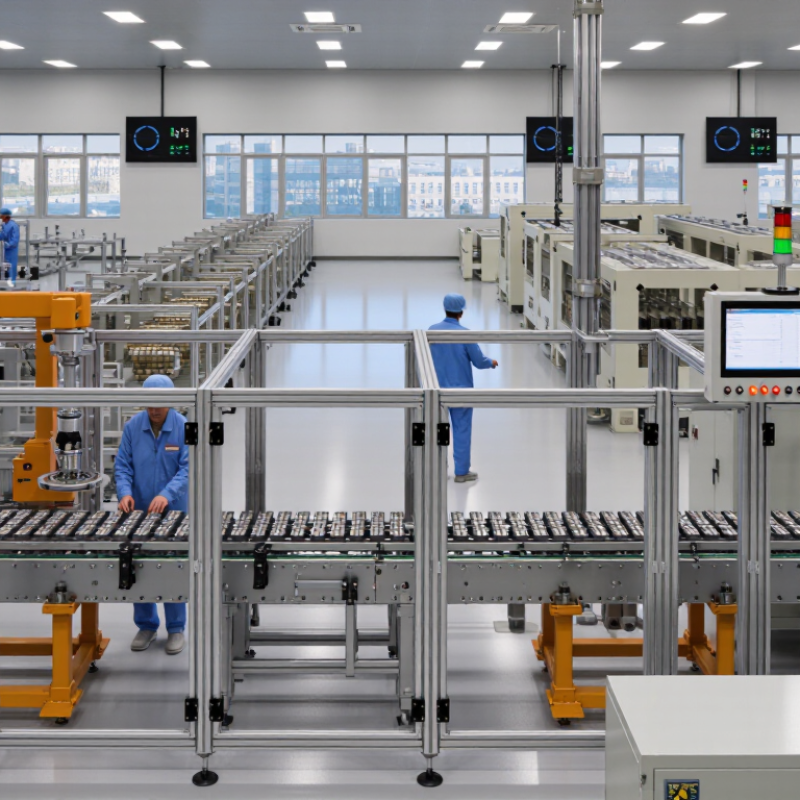
In a practical production line, cylindrical cases enter through a guided conveyor. Mechanical grippers position the jelly roll without crushing its edges. Welding units connect internal tabs to the terminals. Sensors monitor pressure, position, temperature, and welding energy. Cameras can identify wrinkles, damaged insulation, or incorrect placement. After sealing, testing equipment checks voltage, resistance, and possible leakage. Every result should be recorded for traceability.
Accuracy matters, but speed alone is not enough. A reliable machine needs guarded moving parts, controlled filling areas, emergency stops, and clear maintenance access. Operators should validate settings with real production materials, not only factory samples.
No machine is flawless. Dust, worn tooling, or small alignment changes can affect cell quality. I have found that simple inspection routines often prevent larger failures. Some designs still need manual adjustment, especially during product changes. That limitation deserves honest evaluation before installation.
Key Processes in Cylindrical Cell Assembly
China Best Cylindrical Cell Assembly Machines Supplier?
Key Processes in Cylindrical Cell Assembly
Reliable cylindrical cell assembly depends on controlled, repeatable processes. Electrode alignment comes first. The separator must remain centered inside the winding structure. Small deviations can create uneven pressure, poor capacity, or internal safety risks. Experienced engineers check winding tension, mandrel accuracy, and material cleanliness during machine trials. These details often decide whether a line performs consistently.
Welding connects the electrode tabs to the current collectors. Laser or resistance welding requires stable energy, accurate positioning, and careful parameter control. A bright weld is not always a strong weld. Cross-section checks and pull tests provide better evidence. Electrolyte injection follows under controlled vacuum conditions. The cell is then sealed, formed, aged, and tested for voltage, resistance, leakage, and appearance. I have seen production teams trust visual inspection too much. That mistake can hide microscopic defects.
Tips: Choose equipment with traceable data collection. Test several cell sizes before final approval. Check cleaning access and changeover time. Validate sealing pressure, weld strength, and electrolyte volume. Leave room for adjustment; real materials rarely behave perfectly. Small design weaknesses become expensive during mass production. Ensure operators can understand alarms quickly, because a complicated interface may slow corrective action.
Essential Features of High-Quality Assembly Equipment
China Best Cylindrical Cell Assembly Machines Supplier?
Essential Features of High-Quality Assembly Equipment
When evaluating a cylindrical cell assembly machine, inspect its process control, not only its advertised speed. A reliable system should align cells accurately, control welding pressure, and maintain stable torque during fastening. In production trials, I check whether operators can adjust parameters without stopping the entire line. Clear screens and practical controls reduce avoidable mistakes. Small errors matter.
The equipment should include vision inspection, barcode traceability, and automatic rejection for damaged or misplaced parts. These functions create useful production records and support consistent quality checks. A precise feeding system also prevents scratches on cell surfaces. Safety guarding, emergency stops, electrical protection, and easy maintenance access are essential features. They protect workers and reduce unexpected downtime.
A capable supplier should provide process validation, training, spare parts, and responsive technical support. Ask for sample data from similar assembly tasks, rather than trusting polished demonstrations. Machine accuracy may decline when materials vary slightly. This is often overlooked. I would test different cell batches, connector tolerances, and operator skill levels before approval. No machine is perfect, and equipment that is difficult to clean or recalibrate can become expensive later. A transparent supplier will discuss these limitations and recommend practical improvements instead of promising unrealistic output.
How to Evaluate a Cylindrical Cell Machine Supplier in China
China Best Cylindrical Cell Assembly Machines Supplier?
How to Evaluate a Cylindrical Cell Machine Supplier in China
Choosing a cylindrical cell machine supplier requires more than comparing quotations. The IEA’s Global EV Outlook 2024 reports that global electric vehicle battery demand exceeded 750 GWh in 2023. China represented about 60% of this demand. Production pressure is real, but speed alone cannot prove machine quality.
Ask for measured cycle time, first-pass yield, equipment availability, and defect records from similar projects. Check winding, welding, electrolyte filling, sealing, and inspection steps separately. A supplier should explain how its machine controls alignment, weld resistance, leakage, and particle contamination. Request sample data from a factory acceptance test. Then repeat critical tests during site acceptance.
Traceability also matters. Each cell should connect to process settings, alarms, and inspection results. The IEA also notes that global battery manufacturing capacity reached several terawatt-hours in 2023, creating intense competition. That scale makes dependable integration more valuable than impressive brochures.
Tips: Bring your actual cell dimensions and materials. Ask for a trial run. Measure noise, changeover time, rejected cells, and operator workload. Confirm spare-part lead times and remote support hours. A low price can hide weak commissioning support. No supplier is perfect. Some specifications may change after testing, and that should be documented rather than quietly ignored. Evaluate engineering responses when problems appear; honest limitations are often more useful than confident promises.
Applications and Future Trends in Cell Assembly Technology
Applications and Future Trends in Cell Assembly Technology
Cylindrical cell assembly machines now support electric vehicles, energy storage, power tools, and medical devices. Their processes include electrode winding, tab welding, electrolyte filling, sealing, formation, and grading. The International Energy Agency’s Global EV Outlook 2024 reports that global electric vehicle battery demand exceeded 750 GWh in 2023. It also recorded battery demand growth of about 40% from the previous year. This pressure is pushing manufacturers toward faster, cleaner, and more traceable assembly lines.
Future systems will combine machine vision, robotics, digital twins, and real-time process data. AI inspection may detect welding spatter, coating wrinkles, or seal damage before shipment. The IEA also notes that global battery storage additions reached approximately 42 GW in 2023, nearly doubling in one year. That growth creates demand for flexible machines, not only high-speed production. Dry-electrode processing and advanced formation control may reduce energy use, but commercial reliability remains uneven. No machine is perfect. Engineers still need practical validation.
Tips: Check cycle time, yield, changeover speed, and data traceability separately. Request sample testing with your actual electrode dimensions. A machine can look impressive during a demonstration, yet fail under dust, vibration, or frequent product changes. Review maintenance access, operator training, safety controls, and spare-part availability. The IEA reports remain useful benchmarks, but each factory still needs its own acceptance standards.